Compass-Anywhere Merger: What the Tech-Powered Brokerage Model Means for Agents
Summary: This article explains the recently completed Compass-Anywhere merger—one of the biggest consolidation moves in U.S. real estate—why tech is at the center of the combined company's strategy, and what this means for agents, teams, and brokerages working in the U.S. market today.
Table of Contents
- What Happened: A Snapshot of the Compass-Anywhere Merger
- Why This Matters: Scale + Technology in Real Estate
- Tech-Powered Brokerage Model: What It Looks Like in Practice
- What It Means for Agents: Opportunities and Risks
- How Agents Can Respond Strategically
- Tools & Templates for Technologically-Savvy Agents
- FAQ
- Key Takeaways
- Sources
What Happened: A Snapshot of the Compass-Anywhere Merger
On January 9, 2026, Compass Inc. completed its acquisition of Anywhere Real Estate—formerly known as Realogy—in an all-stock deal valued at about $1.6 billion. The combined brokerage now operates as Compass International Holdings under Compass founder and CEO Robert Reffkin.
The transaction unites the first and second largest residential brokerages in the U.S. by sales volume, combining approximately 340,000 real estate professionals spanning Compass, Better Homes and Gardens Real Estate, Century 21, Coldwell Banker, Sotheby's International Realty, Corcoran, ERA and other brands.
Shareholders of both companies overwhelmingly approved the merger, with about 99% of Compass votes and 72% of Anywhere votes in favor.
Why This Matters: Scale + Technology in Real Estate
A New Brokerage Giant
With a combined footprint larger than any U.S. competitor, this merger creates a brokerage powerhouse that controls an outsized share of residential transactions and agent reach.
Technology as the Differentiator
Compass has long marketed itself as a tech-enabled brokerage, building cloud-based tools for CRM, marketing, transaction management and analytics specifically for real estate professionals.
Bringing Anywhere's expansive brand portfolio onto a shared technology platform is a stated priority, aiming to:
- Increase efficiency for agents across brands
- Standardize productivity tools and data workflows
- Offer centralized marketing systems for both independent and franchise teams
This places technology—not just size—at the heart of the merged company's strategy.
Tech-Powered Brokerage Model: What It Looks Like in Practice
Core Features
- Unified Agent Platform – A single technology stack replacing disparate systems across legacy brands
- Data-Driven CRM & Marketing – Tools to manage leads, nurture relationships, and track performance
- Integrated Listing Exposure – Brokerage-driven listing portals that emphasize "your listing, your lead" control for agents (a concept Compass has been pushing publicly)
- Cross-Brand Services – Shared access to mortgage, title, relocation, and ancillary services via one platform
- Productivity Dashboards – Centralized reporting and insights to help agents forecast and plan business growth
Example: Day in the Life
An agent in the merged company might:
- Use a unified CRM to sync contacts across past clients and leads (rather than managing separate systems)
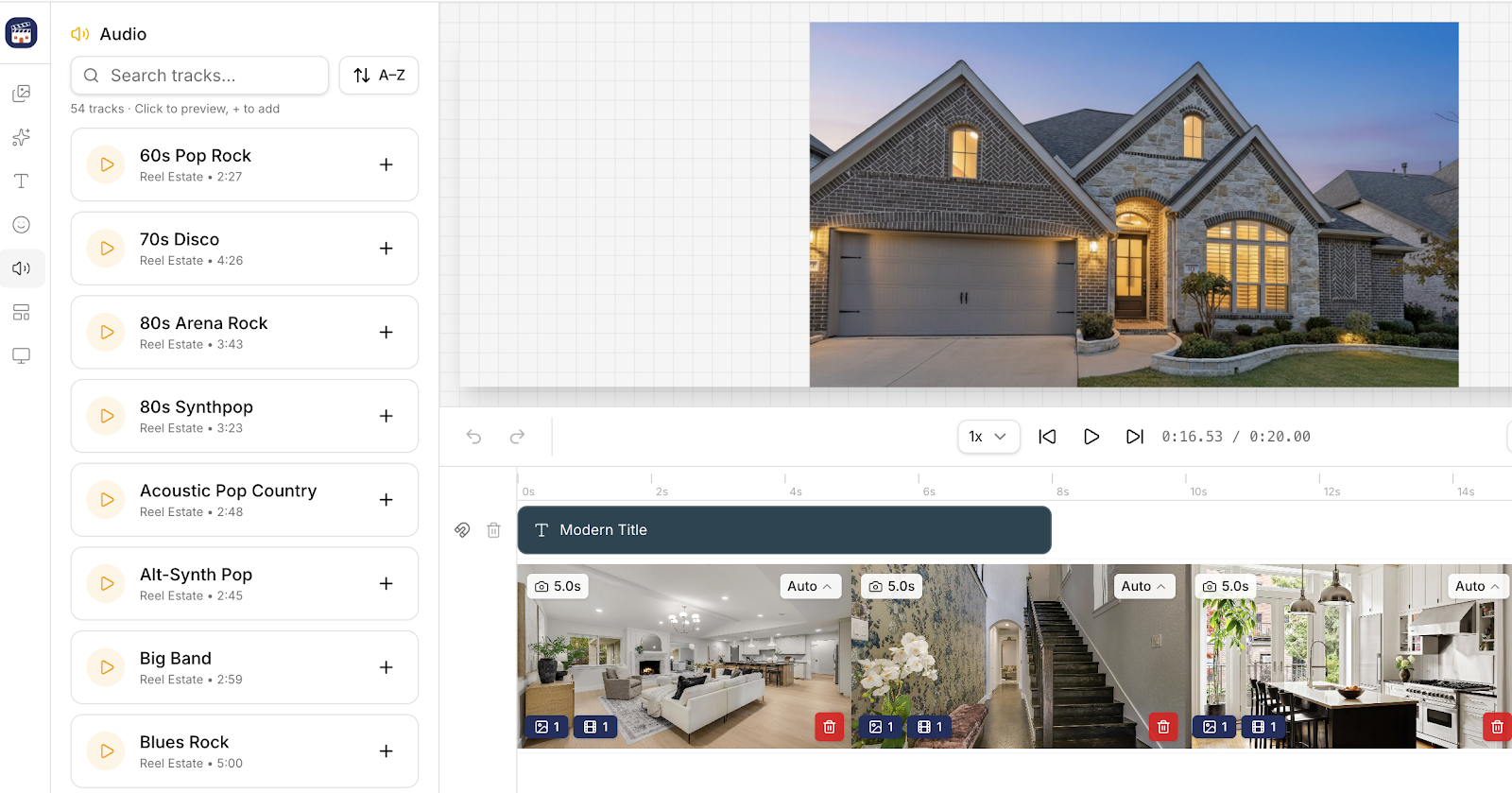
- Automatically generate social videos from listing photos (e.g., using tools like Reel Estate for quick creation)
- Track conversion rates and pipeline health with shared performance dashboards
This combination speeds tasks that traditionally consume high administrative time.
What It Means for Agents: Opportunities and Risks
Opportunities
✔ Bigger Brand Power
Agents under the combined entity benefit from the recognition of storied brands like Coldwell Banker and Century 21 alongside Compass's tech reputation.
✔ Streamlined Tech Suite
A single set of tools could reduce redundancy and learning curves, making daily workflows smoother.
✔ Broader Referral Network
A larger network can generate more referral possibilities, especially for agents open to cross-brand collaboration.
Risks & Concerns
⚠ Competitive Pressure
Smaller, independent brokerages may face increased competitive pressure due to the scale and technology reach of this giant.
⚠ Market Concentration Debates
Federal lawmakers have raised antitrust concerns about the deal's impact on competition and fees, though the merger closed without extended investigation.
⚠ Integration Challenges
Merging disparate tools and cultures is complex. Some agents may find workflow changes disruptive during transition.
How Agents Can Respond Strategically
1. Embrace Tech Tools (But Advocate for Flexibility)
- Learn the new platform's CRM and data tools early
- Customize workflows rather than adopting defaults that don't serve your business
If centralized marketing tools aren't native to your brokerage suite yet, AI-assisted creation tools like Reel Estate (for converting listing photos into social videos) can fill gaps in visual marketing quickly.
2. Maintain Personal Branding
Even in a large entity, personal brand matters:
- Create consistent social content (e.g., listing reels)
- Highlight your unique market expertise
- Use platforms that help automate repetitive creative tasks
3. Leverage Network Size Without Losing Niche Focus
- Use larger network referrals while specializing locally
- Partner with agents across cities strategically for relocation leads
Tools & Templates for Technologically-Savvy Agents
Technology Checklist for Post-Merger Success
- CRM & Lead Management: Built-in Compass platform; Past client list automation
- Social Content Creation: Reel Estate – photo-to-video + photo staging
- Performance Tracking: Brokerage dashboards; agent scorecards
- Virtual Tours: 3D tours + walkthrough videos
- Client Communication: Email sequences + SMS follow-ups
Tip: One-click publishing from platforms like Reel Estate gets more listing content live on social faster, a key advantage when competing for attention in social feeds.
FAQ
Q1: What exactly is the Compass-Anywhere merger? It's an all-stock acquisition of Anywhere Real Estate by Compass, forming a combined brokerage with about 340,000 agents and iconic brands like Century 21 and Coldwell Banker under one tech-enabled roof.
Q2: Will agents have to switch tools immediately? Compass says integration will happen over time; transition timelines may vary by region and brand.
Q3: How does this affect local MLS access? Membership and MLS rules remain governed locally. Agents should continue to follow their MLS agreements.
Q4: Should agents leave small brokerages to join the merged company? There's no one-size-fits-all answer—evaluate based on tech fit, commission structure, branding, and support.
Q5: Is this good for home sellers? Potentially—broader reach and integrated tools could improve marketing exposure, but local expertise still drives results.
Q6: Does this impact consumer listing portals like Zillow? Compass plans enhanced broker-driven listing exposure, but consumer portals remain dominant sources of buyer traffic.
Key Takeaways
- The Compass-Anywhere merger created the largest U.S. residential brokerage by combining two industry leaders.
- Technology is central to the new model, aiming to standardize tools and workflows for agents.
- Agents can benefit from scale and tech if they adapt strategically and maintain personal brand differentiation.
- Smaller brokerages may face increased competitive pressure, highlighting the importance of local expertise and niche positioning.
Sources
- https://www.realtor.com/news/real-estate-news/compass-anywhere-merger-acquisition/
- https://www.prnewswire.com/news-releases/compass-and-anywhere-stockholders-overwhelmingly-approve-merger-302655652.html
- https://www.realestatenews.com/2026/01/09/compass-completes-its-acquisition-of-anywhere-real-estate
- https://therealdeal.com/national/2026/01/09/compass-anywhere-merger-has-closed-heres-what-to-know/
- https://www.compass.com/newsroom/press-releases/6QrSByZoASUMlGnWdjiqmJ/
- https://www.vpm.org/npr-news/npr-news/2025-09-29/compass-anywhere-real-estate-merger-could-squeeze-small-brokerages